Roof inspections · Perth
Most people only think about their roof when it leaks. By then, water may already have damaged insulation, timbers or ceilings.
A roof inspection gives you a clear picture of the roof’s condition before problems become emergencies. It tells you what needs fixing now, what can wait and what simply needs watching.
Homeowners who want to plan maintenance or check the roof before winter
Home buyers who want to understand the roof before they commit
Sellers who want to fix issues before listing
Landlords and property managers keeping rentals in good order
Strata managers planning maintenance across a complex
Owners after a storm who want to check for hidden damage
Every roof is different, but a typical inspection covers:
01
cracks, breakage, rust, fixings and general condition
02
bedding, pointing and cap alignment
03
valley irons, debris and tile cuts
04
around chimneys, walls, skylights and penetrations
05
rust, fall, blockages and overflow
06
solar, vents, flues and air conditioning
07
water stains, light gaps, sarking and insulation
After the inspection, you receive a written summary with photos. We group findings into simple categories so you can prioritise.
01
issues likely to cause leaks or damage soon
02
maintenance to plan in the next season or two
03
items to keep an eye on
04
appearance only, no immediate risk
If you’d like us to quote on any of the work, we’ll include that separately. There’s no obligation.
A general building inspection may only look at the roof from the ground or a ladder. A dedicated roof inspection looks closer, with photos of the details buyers usually can’t see.
Knowing the roof’s condition can help you budget for repairs after settlement or discuss issues before you buy. Ask your conveyancer how a roof inspection fits into your purchase timeline.
Perth’s wettest months are usually June to August. A roof check in late summer or autumn gives you time to fix cracked tiles, failing ridges and blocked valleys before the first big front.
It’s one of the simplest ways to avoid emergency leak repairs in the middle of winter.
Strong winds and heavy rain can damage a roof without obvious signs from the ground. A post-storm inspection checks for lifted tiles, loose ridge caps, damaged flashings and debris in valleys and gutters.
If you’re making an insurance claim, our photos and notes can help you explain the damage to your insurer.
Please don’t climb onto your roof to check it yourself. Roofs are slippery, fragile and high, and falls cause serious injuries.
Our team uses suitable access equipment and works to WA safety requirements for working at heights.
Strata complexes often have several roofs of different ages and conditions. A coordinated inspection helps strata managers understand which roofs need work now and which can be planned for later.
We provide reports for each building, with photos and priorities, so owners and committees can make informed decisions about maintenance budgets.
A roof leak in a rental property can mean damage to the landlord’s ceilings and to the tenant’s belongings. Regular inspections help landlords stay on top of maintenance and avoid emergencies.
Many landlords book an inspection between tenancies or every couple of years. We can coordinate access through your property manager.
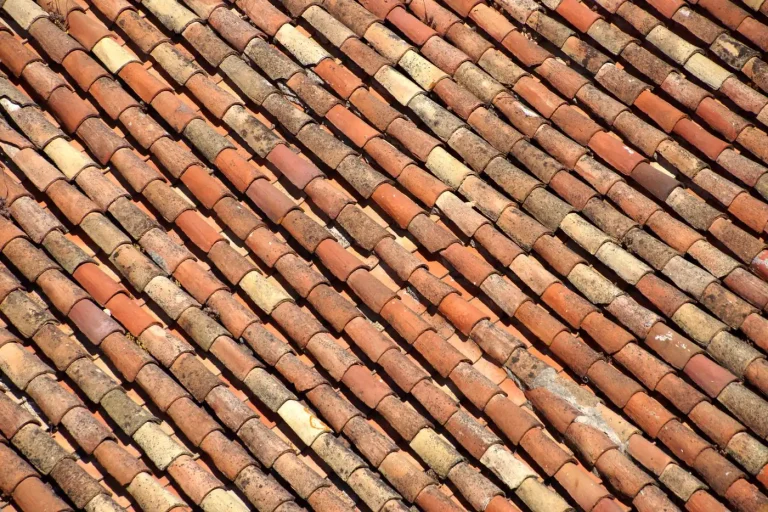
On tile roofs, the most common issues are cracked and slipped tiles, failed ridge pointing, loose ridge caps, debris-filled valleys and porous, mossy tiles.
We also look for tiles cracked by foot traffic around solar panels, antennas and air conditioners, which is a frequent source of leaks.
On metal roofs, we focus on corrosion, especially around fixings, laps and gutters. We check that screws are secure and sealed, sheets are sitting correctly and flashings are intact.
Coastal metal roofs get extra attention, as salt speeds up corrosion. Early signs are much easier to deal with than rust holes.
Insurers generally expect homeowners to maintain their roofs. Damage caused by gradual wear may not be covered, while sudden storm damage often is. Policies differ, so check yours.
A record of regular inspections and maintenance can help show your roof was looked after. Our photo reports provide a simple record.
We’ll talk you through the findings and answer any questions. If work is recommended, you can ask us for a quote, plan the work for later or use the report however you like.
Roofs more than 30 years old often have original pointing, older valley irons and tiles that have become porous. These roofs can look fine from the street but have several weak points up close.
An inspection helps you decide whether targeted repairs, a full restoration or re-roofing makes the most sense, and when to plan for it.
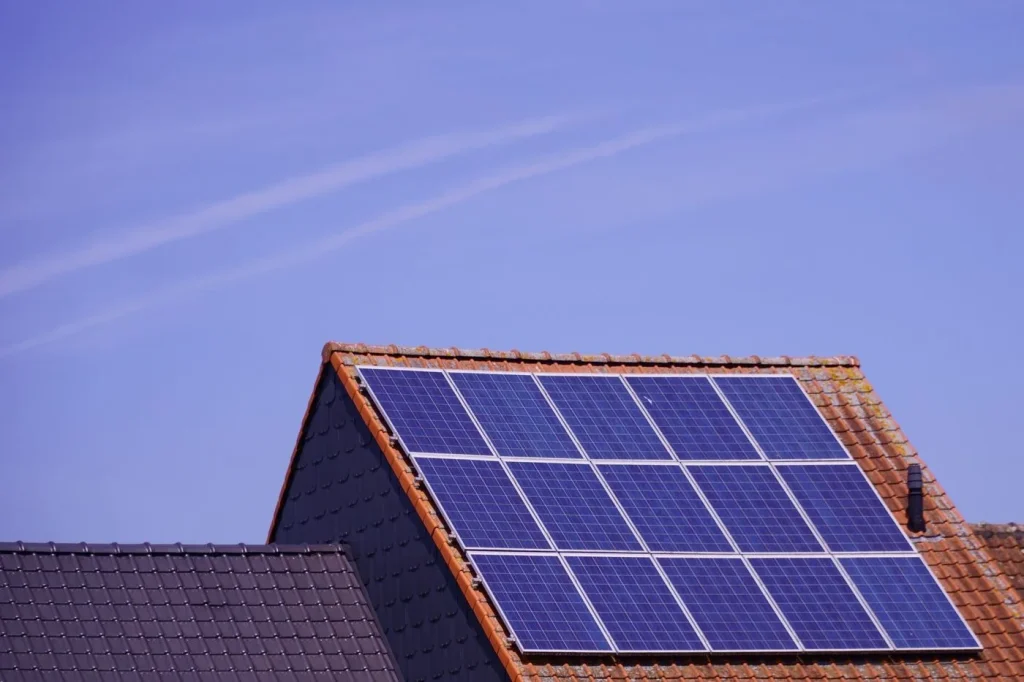
If you’re planning to install solar panels, it’s worth checking the roof first. Panels can stay on a roof for many years, and removing them later to fix the roof adds cost.
Fixing cracked tiles, failing ridges or rusted sheets before the panels go on means the roof under them is in good shape.
When you call, tell us your suburb, the type of roof and why you’d like it inspected. If you’re chasing a leak, let us know where it shows up inside. That way we can plan the inspection around your main concern.
Many homeowners book an inspection every two to three years, and after major storms. Older roofs, coastal homes and homes surrounded by trees may benefit from more frequent checks.
If you’ve had trades on your roof, such as solar installers, an inspection afterwards can confirm nothing was damaged.
Most homes take around an hour, depending on roof size, access and whether the roof space is checked.
Where it can be accessed safely, yes. It helps us spot leaks, water stains and gaps.
Yes. Your report includes photos of the key findings so you can see what we saw.
Yes. We inspect roofs for buyers and provide a clear report to help with decisions.
Yes. Post-storm inspections check for damage that may not be visible from the ground.
No. The report is yours to use however you choose.
Every two to three years for many homes, and after major storms. Some roofs benefit from more frequent checks.
Yes. We inspect tile and metal roofs, including fixings, flashings and signs of corrosion.
If materials may contain asbestos, we’ll note it and recommend testing or advice from a licensed professional.
Call 08 6467 2951 or request an inspection online. We’ll arrange a time that suits you.