Roof leak repairs · Perth
Water is sneaky. It can enter at a cracked ridge, run down a batten, travel along the sarking and finally drip onto a ceiling metres away from where it got in.
That’s why so many leaks come back after a quick fix. Someone patches the obvious spot, but the real entry point is somewhere else. Our job is to find that entry point before we fix anything.
Put buckets or towels under the drip and move furniture and electronics away
If water is near light fittings or power points, switch off that circuit at the switchboard if it’s safe to do so
If a ceiling is bulging with water, keep people out of that room
Take photos of the leak and the ceiling for your records
Stay off the roof and call us
In heavy rain, we can often make a temporary repair to stop water coming in. The permanent fix is then completed when the roof is dry and safe to work on.
After years of fixing leaks across Perth, we see the same culprits again and again:
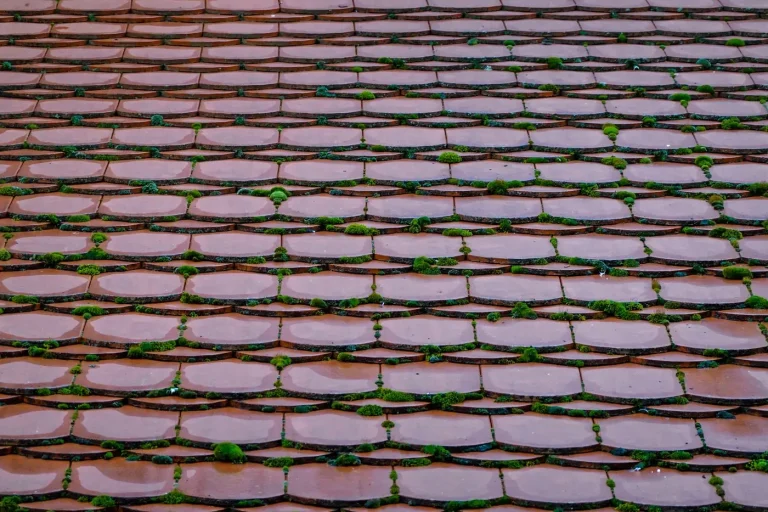
Cracked or broken tiles, often from foot traffic or falling branches
Cracked ridge pointing and loose ridge caps
Rusted or blocked valley irons
Lifted or failed flashings around chimneys, walls and skylights
Rusted screws or holes in metal roofing
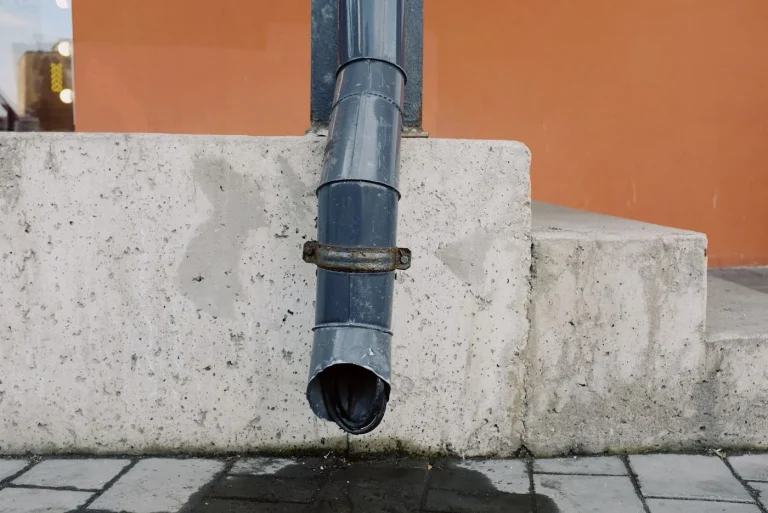
Overflowing gutters and box gutters that push water back under the roof
Poorly sealed roof penetrations for solar, vents, flues and air conditioning
Wind-driven rain forcing water under tiles with low pitch or worn sarking
We start inside, looking at the stain or drip and, where accessible, the roof space directly above it. Water marks on timbers and sarking often show the path the water has taken.
Then we head onto the roof and check everything uphill of that point: tiles or sheets, ridges, valleys, flashings and penetrations. In some cases, controlled water testing helps confirm the entry point.
Once we’re confident we’ve found the cause, we photograph it and explain the fix before starting work.
The repair depends on the cause. It might mean replacing tiles, rebedding and repointing a ridge, replacing a valley iron, renewing a flashing, replacing rusted screws or resealing a penetration.
We avoid relying on a blob of silicone as a long-term fix. Sealants have their place, but most leaks need the faulty part repaired or replaced to stay fixed.
A leak that’s been going for a while can wet insulation, stain plaster and, in bad cases, soften ceiling sheets or timbers. Wet insulation loses its effectiveness and can encourage mould.
Where we can access the roof space, we look for these signs and let you know what we find. If ceiling repairs or insulation replacement are needed, we’ll explain what’s involved.
Box gutters sit inside the roof line, often between two roof sections or behind a parapet wall. When they block with leaves or are undersized, water can overflow straight into the house rather than spilling outside.
Valley irons, the metal channels where two roof slopes meet, carry a lot of water. Rust, debris build-up or tiles cut too short can all cause leaks here. Both are common sources of serious leaks during Perth’s heaviest rain.
Every hole cut in a roof for cables, brackets, ducts or flues is a potential leak point. If the penetration hasn’t been flashed and sealed properly, water can find its way in.
We often find leaks where solar brackets have cracked tiles underneath or where a ducted air conditioning unit’s pipes pass through the roof. We repair the damage and reseal the penetration properly.
Some leaks only appear in certain conditions, such as heavy rain from the north-west or storms with strong winds. These are often caused by wind-driven rain forcing water under tiles or flashings.
Keeping a simple record of when the leak happens, which direction the wind was blowing and how heavy the rain was can help us pinpoint the cause much faster.
Keep gutters, box gutters and valleys clear of leaves
Trim branches overhanging the roof
Book an inspection after major storms
Ask other trades to take care on your roof
Fix small issues like cracked tiles before winter
A little preventive care goes a long way, especially before the wettest months of the year.
Many older brick-and-tile homes have no sarking under the tiles. On these roofs, any water that gets past a cracked tile or failed ridge drips straight onto the ceiling below.
Older roofs also tend to have porous tiles and brittle pointing, which makes them more vulnerable in heavy, wind-driven rain. Fixing the weak points and keeping gutters and valleys clear makes a big difference.
After the repair, we send you a short summary with photos showing where the leak was coming from, what was fixed and any other issues we noticed. It’s useful for your records and for any insurance claim.
If we recommend further work, such as a ceiling repair or insulation replacement, we’ll explain why and who usually handles it.
On metal roofs, leaks often come from rusted or loose screws, worn washers, sheets that weren’t lapped correctly or flashings that have lifted. Water can also run back under short sheets in heavy wind.
We replace fixings, reseal or replace flashings and correct sheet laps so water runs off the roof the way it should.
Older tile roofs often leak through failing pointing and porous tiles. Newer homes are more likely to leak at flashings, box gutters or penetrations where other trades have worked on the roof.
Whatever the age of your home, the process is the same: find the cause, fix it properly and confirm the result.
We can often make a safe temporary repair in wet weather. Permanent repairs are done when the roof is dry and safe to work on.
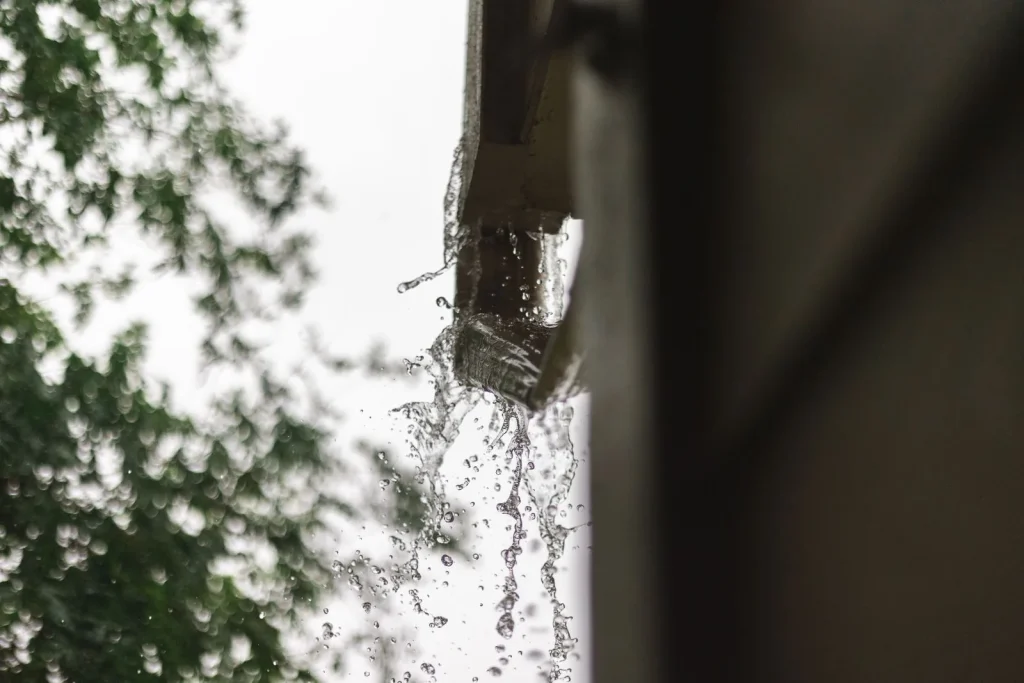
Heavy, wind-driven rain can push water past weak points that cope with light rain, such as cracked pointing, low-pitched tiles or overflowing gutters.
We check the ceiling, the roof space and the roof above, following water marks to the entry point. Water testing is sometimes used to confirm it.
Not always. Plumbing, air conditioning drains and condensation can also cause stains. We’ll help work out the cause.
Yes. Overflowing gutters, especially box gutters, can push water back under the roof and into the house.
Sometimes temporarily. Most leaks need the damaged tile, flashing or fixing repaired or replaced to stay fixed.
Keep people out of the room, switch off nearby power if safe, and call for help. A sagging ceiling can collapse.
Yes, where it can be safely accessed. It helps us find the leak path and spot hidden damage.
Ongoing moisture in the roof space or ceiling can encourage mould. Fixing the leak quickly reduces that risk.
Call 08 6467 2951. Tell us where the leak is, when it happens and whether it’s active now.