Roof painting · Perth
Roof painting is one of the quickest ways to lift the look of a home. A faded, patchy roof can make even a well-kept house look tired, while a clean, even colour gives it new street appeal.
But a roof coating also has a job to do. It helps protect tiles and metal from UV, reduces how much water porous tiles absorb and slows down the growth of moss and lichen.
Most roof paint failures come down to poor preparation. Paint applied over dirt, moss, loose material or rust will peel, flake or blister, often within a few years.
That’s why we never treat roof painting as just painting. Every job starts with a thorough clean, repairs to broken tiles or rusted areas and the right primer for the surface. Only then do the topcoats go on.
Concrete tiles lose their surface colour over time and become more porous. A good coating system seals the surface and restores an even colour.
High-pressure clean to remove dirt, moss and loose surface material
Replacement of cracked and broken tiles
Rebedding and repointing of ridges where needed
A sealer or primer coat suited to the tiles
Two topcoats in your chosen colour, applied evenly
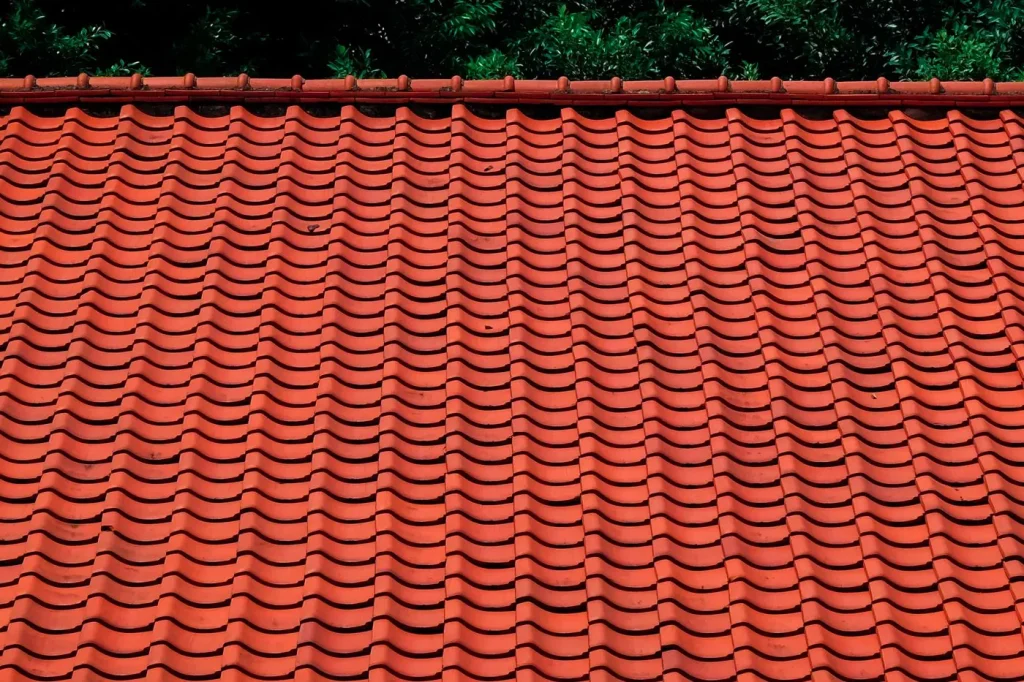
Terracotta tiles are a little different. Many owners prefer to keep their natural colour, and we can talk through cleaning and sealing options instead of painting.
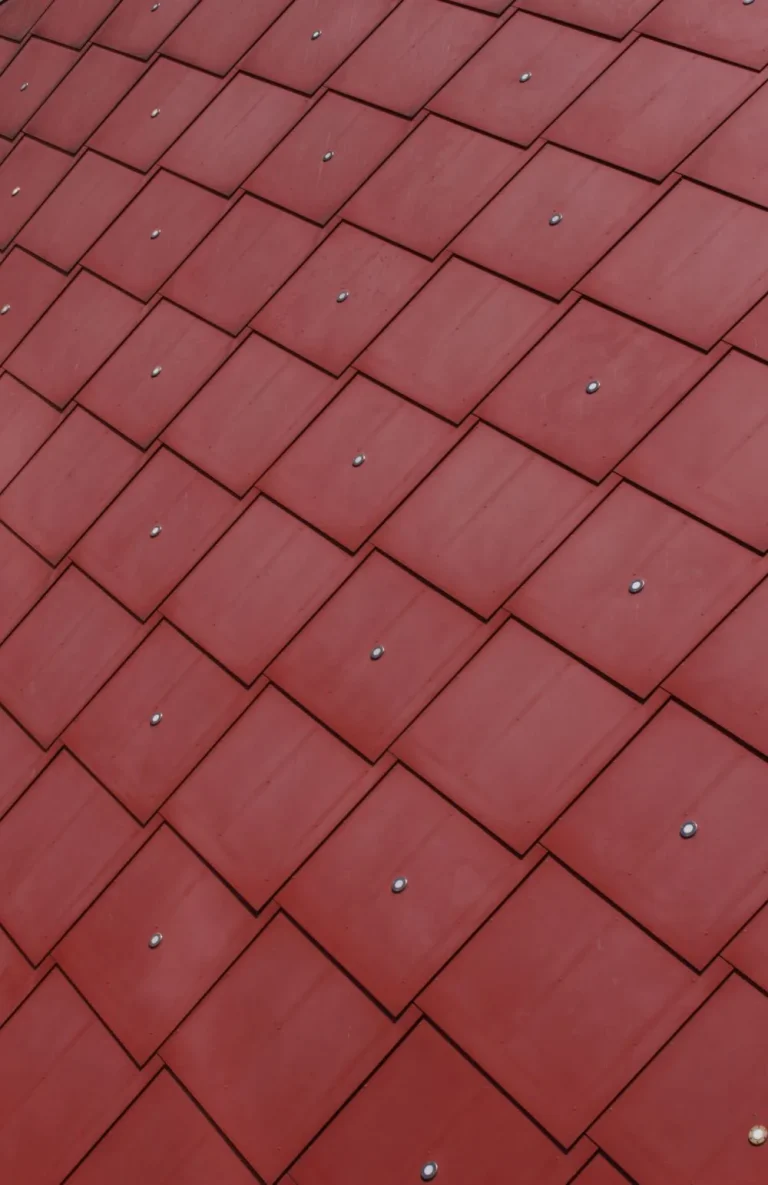
Metal roofs often fade and develop a chalky surface after years in the sun. Painting can renew the colour and add a protective layer, provided the sheets are still sound.
Clean the roof to remove chalking, dirt and grime
Replace rusted or lifted screws
Treat surface rust and prime bare metal
Repair or replace damaged flashings
Apply topcoats designed for metal roofing
If sheets are rusted through, they need replacing before painting. Paint won’t fix holes or structural rust.
Your roof colour affects both the look of your home and how hot the roof gets. Lighter roof colours reflect more of the sun’s heat, which can help keep the roof space cooler in Perth’s summers.
Darker colours can look striking, especially on modern homes, but absorb more heat. Think about how the roof colour works with your walls, gutters, fascia and window frames.
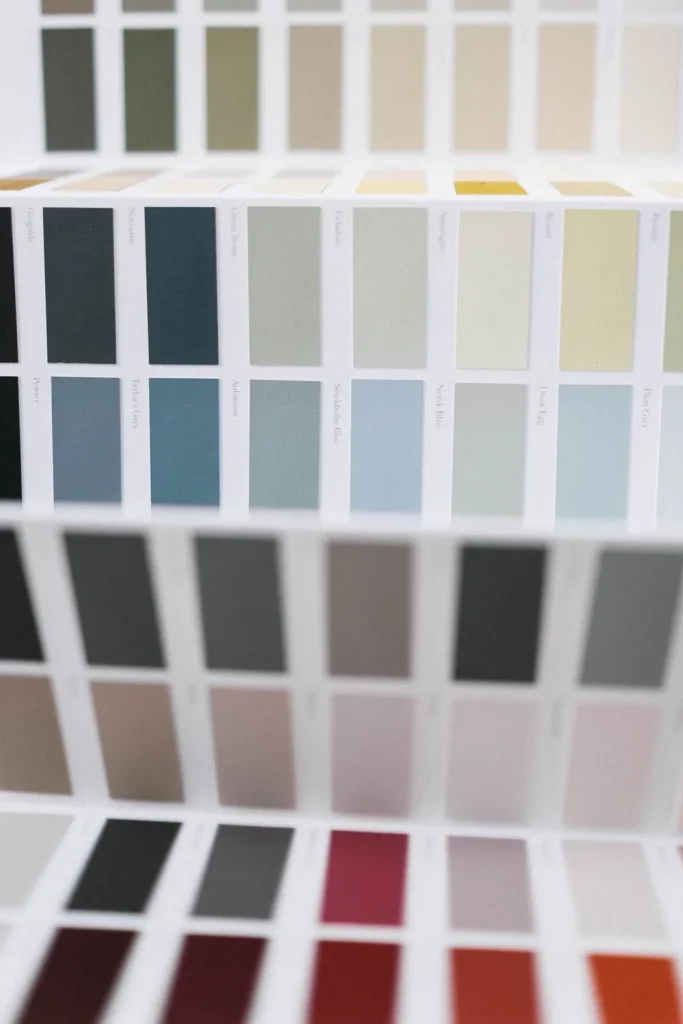
If you live in a strata complex, estate with design guidelines or heritage area, check for colour restrictions before you choose. We can supply colour charts to help.
Roof coatings need dry weather and suitable temperatures to apply and cure properly. In Perth, that usually means spring through to autumn.
We watch the forecast closely and won’t apply coatings when rain is expected before they’ve had time to cure. If the weather turns, the job is paused and finished on the next suitable day.
Keep gutters and valleys clear, trim overhanging trees and avoid walking on the roof. Leaves and debris trap moisture, which can encourage moss and stain the coating.
A gentle check every couple of years, or after a big storm, helps catch any cracked tiles or damaged areas before they affect the coating.
Roof painting and roof restoration overlap, but they’re not the same. Painting focuses on the coating. Restoration covers the full process of repairs, rebedding, repointing and coating.
If your roof only needs a colour refresh and is otherwise in good order, painting may be enough. If there are cracked tiles, loose ridges or rust problems, a restoration is the better choice. We’ll recommend the right level of work after inspecting the roof.
Cleaning and painting a roof can create runoff and overspray. We protect paths, windows, cars and nearby surfaces, and choose calm days for spraying where possible.
We also let you know before we start so you can move cars, outdoor furniture and anything else you’d like out of the way. Neighbours are considered too, especially on narrow blocks.
The size and pitch of the roof, number of storeys, access, roof material and the amount of repair work all affect the price. A roof needing many replacement tiles or rust treatment takes longer to prepare.
Your written quote breaks down the preparation, repairs and coatings, so you can see exactly what’s included and compare quotes fairly.
Asking these questions helps you compare quotes and avoid a cheap job that doesn’t last.
We paint roofs across Perth, from established suburbs with 1970s concrete tile roofs to newer estates with metal roofs that have faded in the sun. Coastal homes often need extra attention to fixings and flashings before painting.
Shady roofs and roofs under trees often grow moss and lichen, especially on the southern side. These organisms hold moisture against the tiles and break down the surface.
Cleaning removes the growth, and a quality coating helps slow it coming back. Trimming overhanging branches lets more sun reach the roof, which also helps keep it clean.
A freshly painted roof can make faded gutters, fascias and barge boards stand out. Many owners choose to refresh or replace these at the same time for a finished look.
If your gutters are rusted or leaking, it’s usually better to replace them before the roof is painted, so the new colours match and nothing on the roof is disturbed later.
We won’t paint over a roof that needs replacing, and we won’t pressure clean or paint a roof that may contain asbestos. In those cases, we’ll explain the safer options, including re-roofing.
Most concrete tile and metal roofs in sound condition can be painted. Roofs that are failing or may contain asbestos should not be painted.
Most homes take several days including cleaning, repairs and coatings. Weather and roof size affect timing.
Yes. Broken tiles, failing ridges and rusted areas should be fixed first so the coating protects a sound roof.
Lighter colours reflect more heat, which can reduce roof space temperatures. Insulation and ventilation also play a big part.
A typical system is a sealer or primer followed by topcoats. The exact system depends on the roof and products used.
It’s possible, but many owners prefer to keep the natural colour. We can discuss cleaning and sealing options.
Yes. Once the roof is cleaned, repaired and primed, it can be coated in a new colour.
Paint alone won’t fix leaks. Leaks are fixed by repairing tiles, ridges, flashings or sheets before painting.
Spring to autumn, when the weather is dry and temperatures suit the coatings.
We can help, but it’s best to confirm any rules with your strata manager, estate or council before choosing.