Rebedding and repointing · Perth
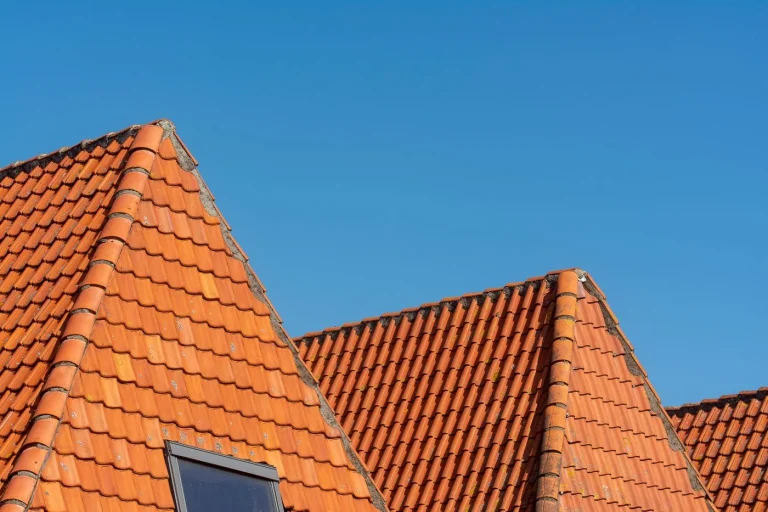
On a tiled roof, the ridges and hips are covered by curved ridge caps. These caps sit on a bed of mortar, called bedding, and are sealed along their edges with pointing.
Together, bedding and pointing keep the caps in place and stop water and wind getting in where the roof slopes meet. When either fails, the ridge becomes one of the weakest points on the roof.
Repointing means removing loose or cracked pointing and applying a fresh layer along the ridge caps. It’s the right fix when the bedding underneath is still solid and the caps are firmly in place.
Rebedding goes further. The ridge caps are lifted off, the old bedding is removed, new bedding is laid and the caps are reset in line. Once the bedding has set, the ridge is repointed.
Many roofs need a combination: repointing along most of the ridge line and rebedding in sections where the caps have come loose. We’ll show you which sections need what.
Ridge caps that look wavy, crooked or out of line
Visible cracks or gaps in the pointing along ridges and hips
Chunks of mortar in your gutters or on the ground
Caps that rattle or move in strong wind
Water stains on ceilings close to the ridge line
Light visible through gaps when you look into the roof space
If you spot any of these, book a check before the next winter front arrives.
Perth’s climate is hard on ridge capping. Roof tiles heat up in summer and cool down overnight, so the roof expands and contracts every day. Older rigid cement pointing doesn’t move with the roof, so it cracks over time.
Strong winter winds then work on any loose cap, and heavy rain pushes water into the gaps. On older roofs, the original bedding can also become crumbly and lose its grip on the caps.
Modern repointing uses flexible pointing compound rather than traditional rigid cement mortar. Flexible pointing can move slightly as the roof expands and contracts, which helps reduce cracking.
It also bonds well to tiles and comes in a range of colours to suit your roof. When applied over sound bedding and finished neatly, it gives the ridges a clean, uniform look.
01
Inspect and photograph every ridge, hip and gable to identify loose caps and failed pointing.
02
Remove loose caps and old bedding where rebedding is needed, and clean the tile surfaces.
03
Rebed the caps on fresh bedding, set in a straight line and checked for fall and fit.
04
Prepare the ridges for pointing by removing loose or cracked material.
05
Repoint with flexible pointing compound, tooled to a neat, even finish.
06
Clean up the roof and gutters and send you before and after photos.
The edges of a tiled roof at the gable ends are finished with barge caps, which are also bedded and pointed. These are exposed to wind from the side and often deteriorate faster than the main ridge.
We check and repair gable ends at the same time as ridges and hips, so the whole roof is secured rather than just the most visible parts.
Rebedding and repointing is a key part of every tile roof restoration. It can also be done on its own if the rest of the roof is in good condition.
If your tiles are sound but the ridges are failing, a rebed and repoint can deal with the leak risk without the cost of a full restoration. We’ll explain the options after the inspection.
A loose ridge cap doesn’t just let water in. In strong winds, caps can lift and fall, breaking tiles below and creating a hazard for anyone underneath.
Once one section of ridge is loose, wind and rain work on the surrounding caps too. Repairing early keeps the job small and avoids broken tiles and bigger leaks.
Some quick fixes involve applying new pointing over the top of cracked old pointing. If the material underneath is loose, the new layer has nothing solid to bond to and can fail early.
We remove loose and cracked material first and only point over a sound base. Where the bedding itself has failed, we rebed rather than cover it up.
Ridge problems don’t always show from the street. Inside, look for water stains on ceilings near the top of the roof, musty smells in rooms under hips, or daylight visible along the ridge when you look into the roof space.
If you notice these, mention them when you call. They help us focus our inspection.
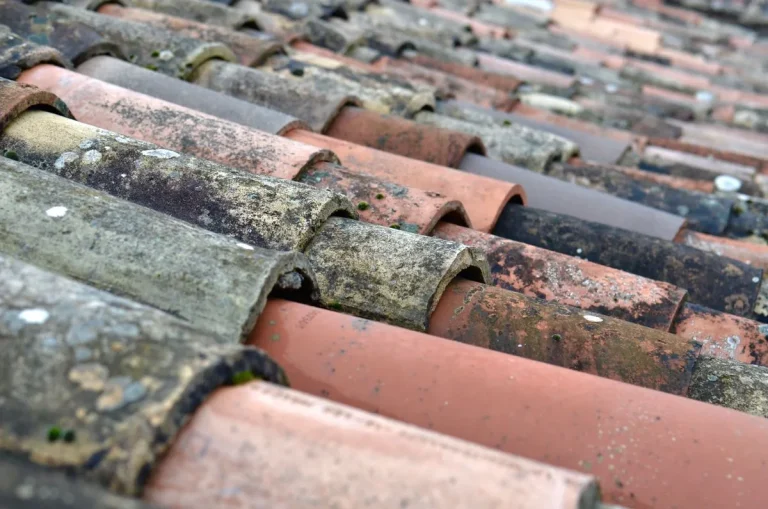
Many Perth homes built in the 1960s, 70s and 80s still have their original ridge bedding and rigid cement pointing. After decades of heat and wind, it’s common for this material to crumble and crack.
These roofs often benefit most from a full rebed and repoint. It’s one of the most effective ways to make an older tile roof secure again.
Rebedding and repointing a few metres of ridge is a relatively small job. Waiting until caps fall, tiles break and water damages ceilings and insulation turns it into a much bigger one.
If you’ve spotted cracked pointing or a crooked ridge line, an inspection now is the most cost-effective step you can take.
We don’t stop at the obvious crack. Every ridge, hip and barge cap is checked by hand, so the sections that are close to failing get fixed in the same visit as the ones already letting water in.
That saves you a second call-out next winter and leaves the whole roof line straight, sealed and secure.
Pointing needs dry weather to apply and cure. The best time to get ridges checked and repaired is in the warmer months, well before the first big front of the year.
If a ridge is already leaking in winter, we can often make a temporary repair and come back to complete the job on a dry day.
Pointing is the sealing layer applied along the edges of ridge caps. It holds the caps firmly and keeps water out of the ridge.
Bedding is the mortar layer that ridge caps sit on. It supports the caps and sets them in position.
If the caps are firmly in place, repointing is usually enough. If caps are loose or out of line, those sections need rebedding first.
It depends on the roof, preparation and conditions. Applied correctly over sound bedding, it’s designed to be more durable than rigid cement pointing.
Yes. Cracked pointing is one of the most common causes of leaks near ridge lines, especially in wind-driven rain.
Flexible pointing comes in a range of colours. We’ll choose the closest match for your tiles.
Most homes take one to a few days depending on the length of ridges and how much needs rebedding. Weather also plays a part.
Pointing needs dry conditions to cure. We work on dry days and can make temporary repairs if a ridge is leaking in wet weather.
Yes. Rebedding and repointing is a standard step in a proper tile roof restoration.
No. Metal roofs use metal ridge capping fixed with screws. They need fixings and flashings checked instead.